01Highlight
The koilon
Eighty-nine rows of seating carved into the hillside, divided into three tiers by radiating staircases.
Carved into the Larissa hillside in the 3rd century BC, with 89 rows of seating for more than 20,000 spectators. An eight-minute walk from Palladion.
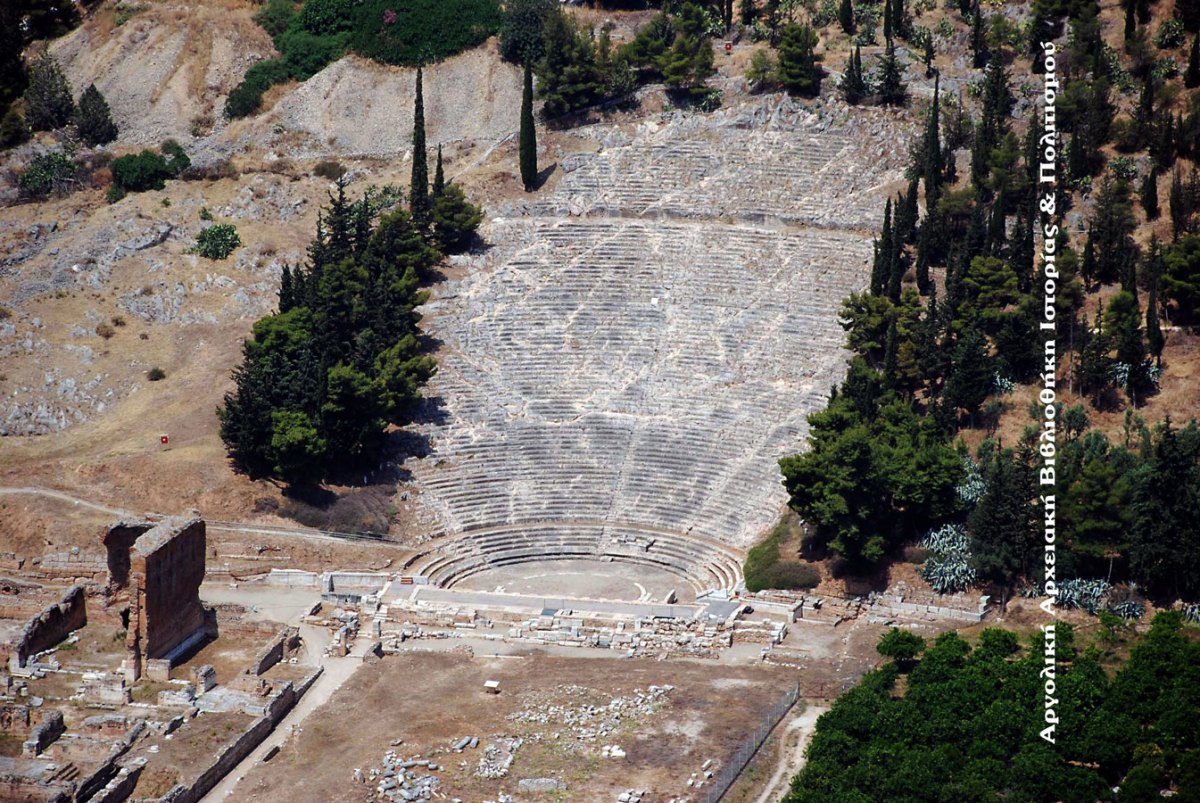
Built around 320 BC at the height of the Hellenistic age, the ancient theatre of Argos was carved directly into the limestone of the Larissa hill. Its eighty-nine rows of seating - divided into three diazomata - held more than twenty thousand spectators, making it the largest theatre in ancient Greece, greater than Epidaurus or the Theatre of Dionysus in Athens.
The theatre was tied to the religious and athletic life of the city. It hosted the musical contests of the Nemean and Heraean games, the dramatic competitions, and the political assemblies of Argos. Pausanias, in the 2nd century AD, describes it as one of the finest monuments of the Peloponnese.
In the Roman period (2nd century AD) the orchestra was made watertight to host mock naval battles and animal spectacles, and the stage building was rebuilt into a lavish frons scaenae with three tiers of columns. A short distance to the north, the Romans added an Odeon and a monumental bath complex, creating a public quarter unique in the Peloponnese.
After systematic excavations by the French School of Athens from 1952, the theatre returned to the life of the city. Every summer it hosts performances of ancient drama and concerts as part of the Argeia and the Argos Festival - a rare chance to experience the acoustics and the atmosphere of a 2,300-year-old space.
From the carving of the Larissa hillside to today's performances.
The theatre is carved into the Larissa hillside - 89 rows of seating, three diazomata, capacity for 20,000 spectators.
The theatre hosts musical and dramatic contests, and the political assemblies of Argos.
The orchestra is made watertight for naval spectacles; the stage becomes a lavish frons scaenae; an Odeon and Roman baths rise beside it.
The theatre is gradually abandoned; parts of its stone are reused in later buildings.
The Greek traveller describes the theatre and the Odeon as two of the great monuments of Argos.
Systematic excavations by the French School of Athens uncover the full koilon.
Every summer, performances of ancient drama, concerts and cultural events.
From the 89-row koilon to the Roman baths and Odeon next door.
Eighty-nine rows of seating carved into the hillside, divided into three tiers by radiating staircases.
A circular orchestra 26 m in diameter - made watertight in Roman times for aquatic spectacles.
The foundations of the Roman stage building, with three tiers of columns - one of the most striking examples in the Peloponnese.
From the upper rows, the eye reaches over the Argolic plain toward Nafplio and the sea.
A short walk north - a smaller, roofed theatre of the 2nd century AD for musical performances.
A remarkable 2nd-century AD complex with mosaic floors, continuing the public quarter beside the theatre.
Right beside the theatre, the ancient agora of Argos - the heart of the classical city.
A path behind the theatre leads up to Larissa Castle in a forty-minute walk.
Each summer: ancient drama, concerts and events in the same koilon that once hosted the Nemean games.
A walking plan starting from Palladion - theatre, Odeon, baths and agora, all within a few minutes on foot.
Greek breakfast with local produce - fresh bread, Argolic honey, yoghurt and cheeses.
Eight minutes on foot from Agios Petros square toward the Larissa hill.
Climb to the upper rows for the panoramic view; test the acoustics down in the orchestra.
Explore the foundations of the Roman stage and the ancient agora right beside it.
The Roman Odeon and Baths complete the ensemble - mosaics, vaults and aqueducts.
A traditional taverna or a modern bistro in the alleys around the main square.
An optional 40-minute walk up from the theatre to the castle - ideal for the sunset.
If your visit coincides with the Argeia Festival: ancient drama or a concert in the same koilon, 2,300 years later.
* Prices and opening hours may change - please confirm on the official Hellenic Ministry of Culture site before your visit.
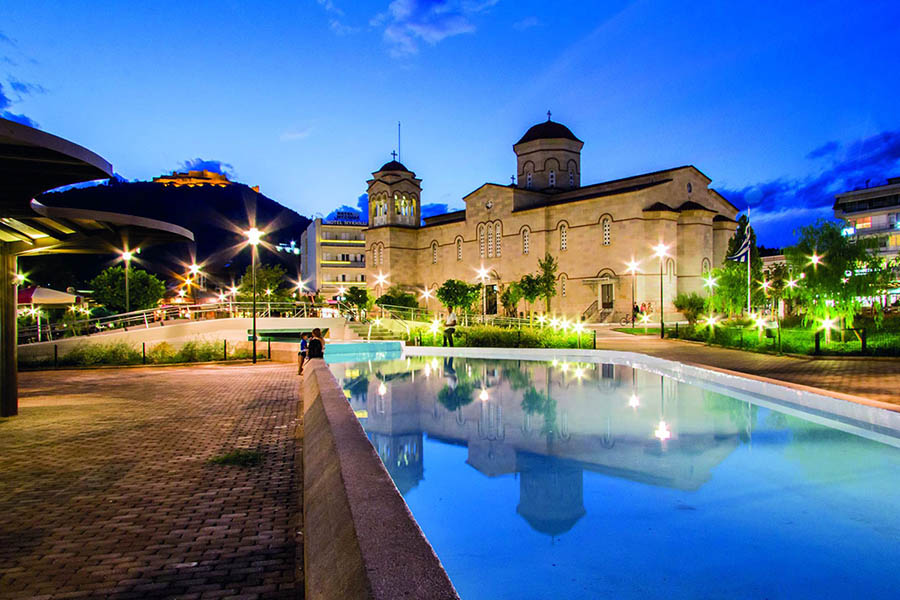
The theatre lies on the eastern slope of the Larissa hill, inside the town of Argos. An eight-minute walk from Palladion - a short stroll past neoclassical façades and neighbourhood cafés.
Follow Theatrou street west from Agios Petros square. Our reception offers a printed walking map and can point you on to the rest of the Argos sights.
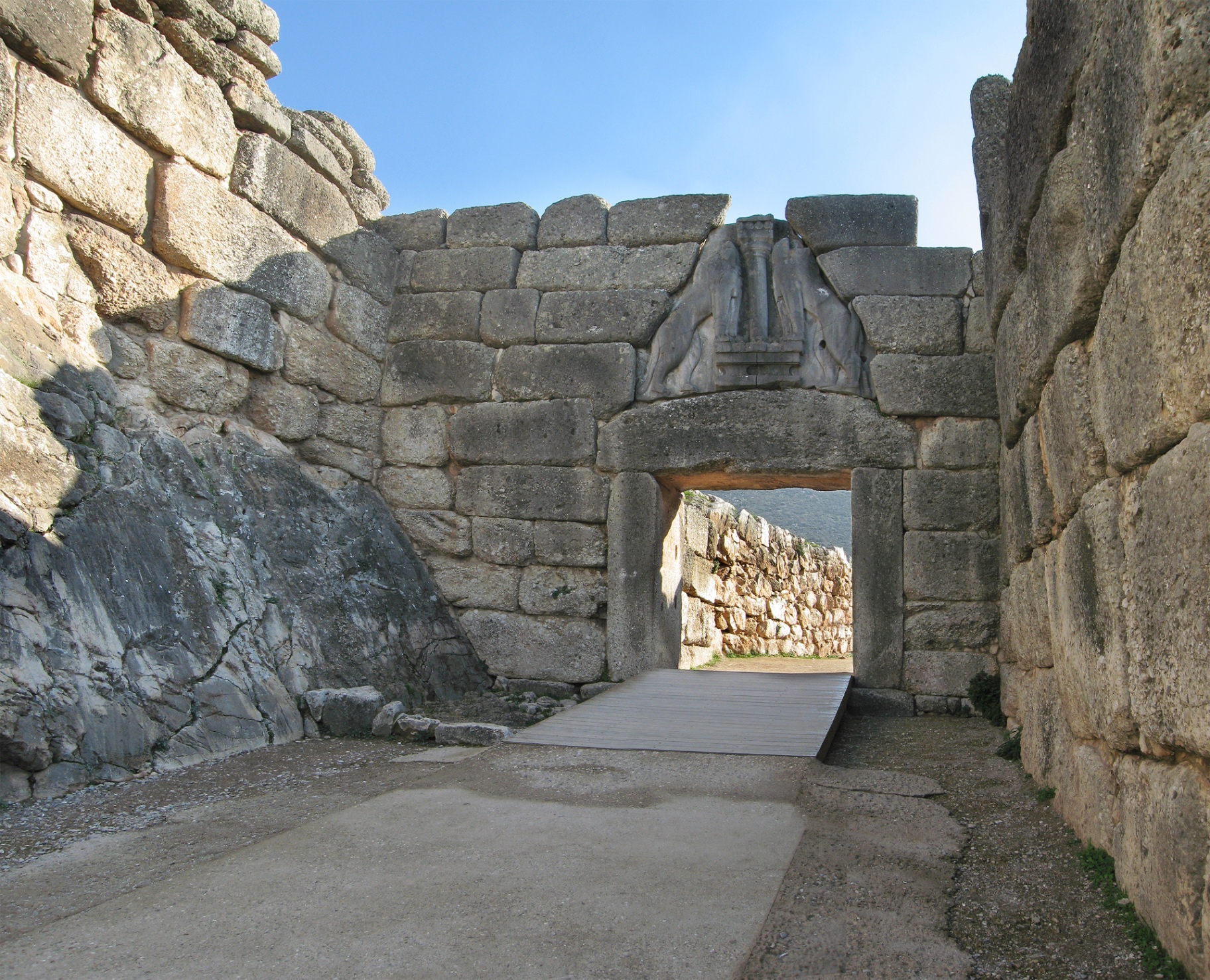
Από την κεντρική πλατεία του Άργους στην Πύλη των Λεόντων σε λιγότερο από 20 λεπτά - ένα πρόγραμμα ημέρας που συνδυάζει ιστορία, τοπίο και τοπική γεύση.
Read article →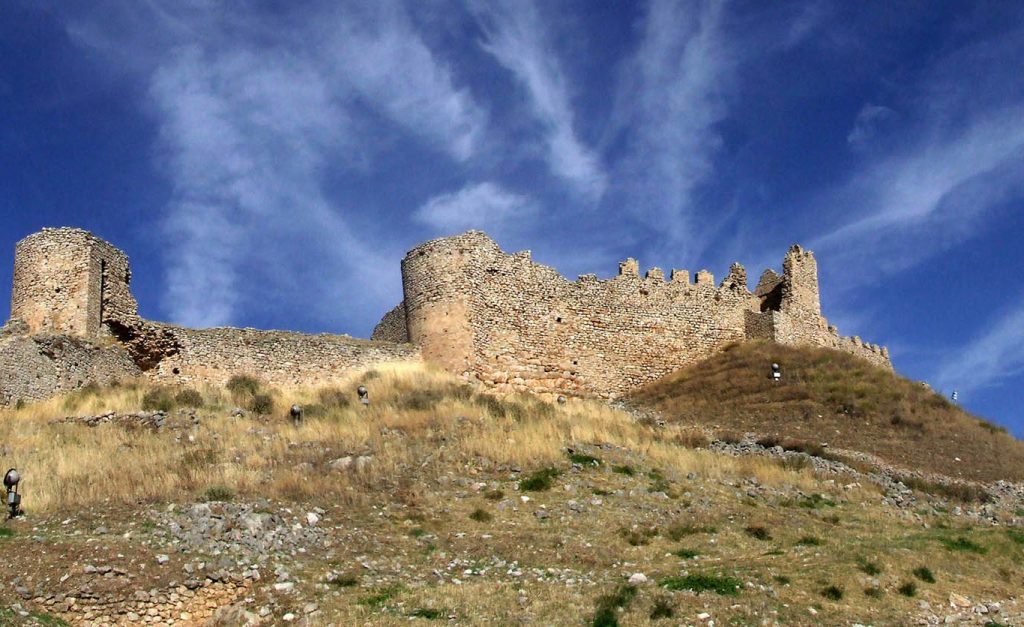
Παραλίες σε 15 λεπτά, μουσεία που κρατούν το ενδιαφέρον των παιδιών, εκδρομές μισής ημέρας και μια ήσυχη πόλη-βάση για όλη την οικογένεια.
Read article →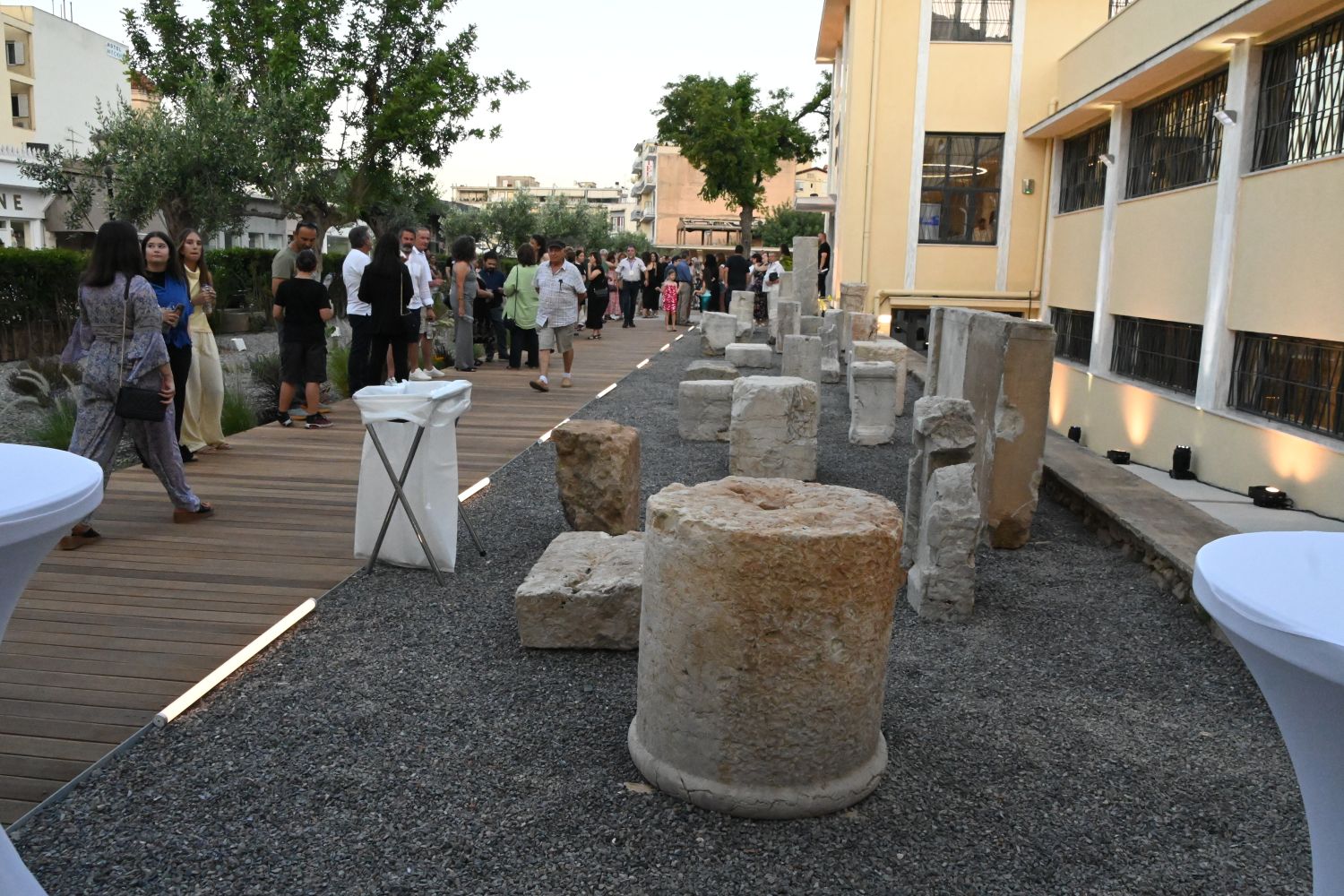
Το Άργος απέκτησε έναν νέο πολιτιστικό προορισμό που παρουσιάζει χιλιάδες χρόνια ιστορίας μέσα από μια σύγχρονη μουσειακή εμπειρία.
Read article →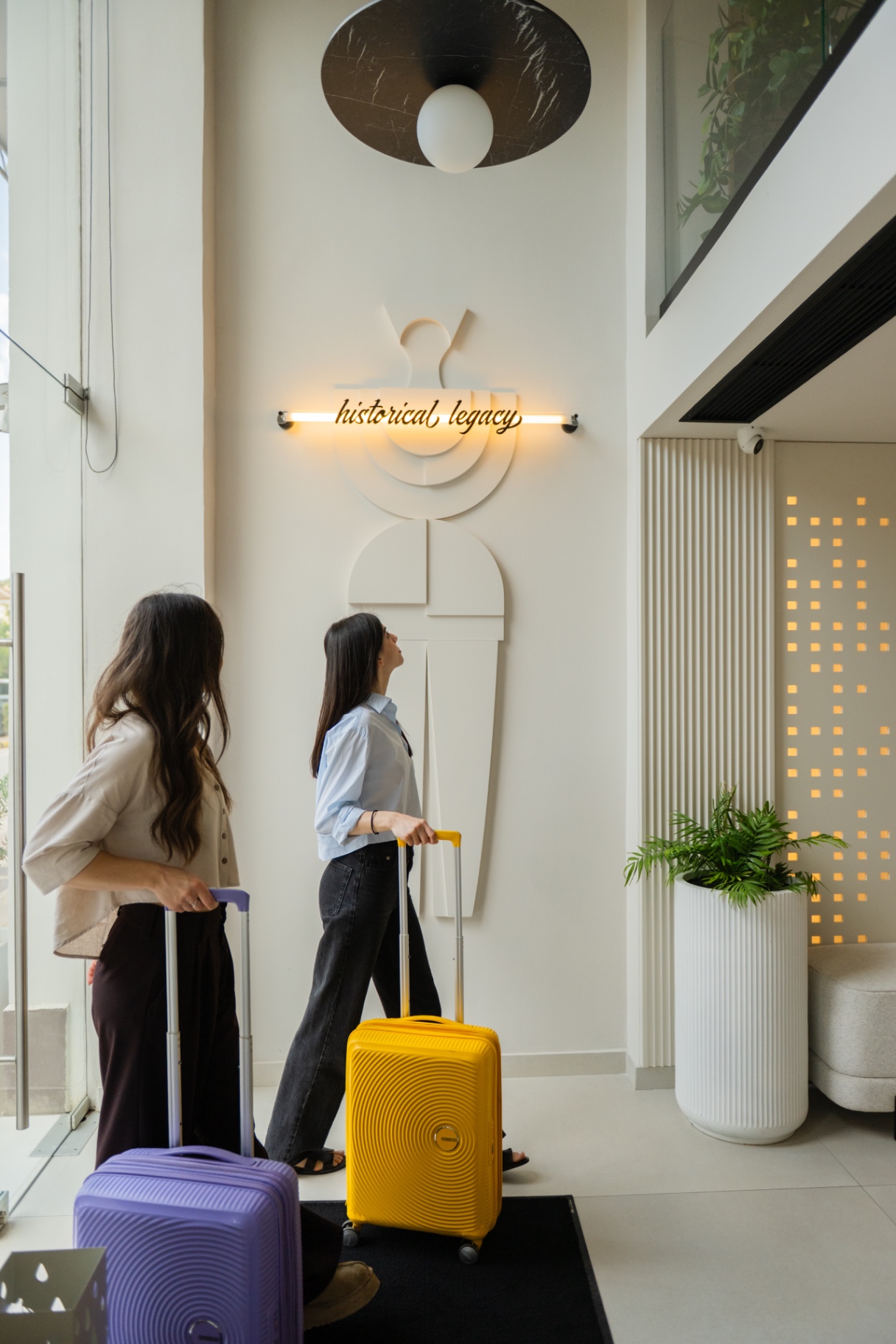
Επτά χιλιάδες χρόνια ιστορίας, μια πραγματική πόλη που ζει, και όλη η Αργολίδα σε ακτίνα 30 λεπτών.
Read article →Palladion sits in the heart of Argos - the theatre, the museum and the castle are all within walking distance. Ten rooms, a family-run boutique hotel.