01Highlight
Ancient Theatre
Fourteen thousand seats, 55 rows and acoustics that carry a whisper to the highest row - a masterpiece of Polykleitos the Younger.
One of the most important sacred sites of the ancient world and a UNESCO World Heritage monument. The ancient theatre of Polykleitos, the Asklepieion, the Athens Epidaurus Festival and the sunken city - forty minutes by car from Palladion.
The sanctuary of Asclepius at Epidaurus was the most important healing centre of antiquity. Patients from across the Greek world came here for enkoimesis - the sacred sleep in the Abaton, during which the god would appear in dreams and prescribe a cure. Medicine, religion and the soul were treated as three faces of the same healing.
In the mid-4th century BC Polykleitos the Younger designed the theatre. Carved into the slope of Mount Kynortion, with 55 rows of seating for fourteen thousand spectators, it still baffles modern acoustic engineers: a whispered word in the orchestra is clearly heard on the highest row.
The sanctuary flourished into Roman times. After the rise of Christianity and the earthquakes of the 6th century AD, the complex was abandoned and buried in soil. Excavations by the Archaeological Society from 1881 gradually uncovered the Asklepieion and brought the theatre back into the light.
Since 1955 the theatre has come alive again with the Athens Epidaurus Festival. In 1988 the entire sanctuary was inscribed on the UNESCO World Heritage List. Nearby, Palaia Epidavros preserves a smaller ancient theatre and a picturesque harbour by the sea.
From the founding of the sanctuary to the modern Festival.
Foundation of the sanctuary of Asclepius on the site of an older cult of Apollo Maleatas.
Polykleitos the Younger designs the theatre, the Tholos and the Abaton of the Asklepieion.
The Asklepieion becomes a pan-Hellenic healing centre; Asklepieia are founded across the Mediterranean.
The Roman senator Antoninus funds large-scale restoration works across the sanctuary.
Earthquakes and the rise of Christianity lead to the sanctuary's abandonment.
The Archaeological Society of Athens begins systematic excavations under Panagis Kavvadias.
First modern performance in the theatre; in 1988 Epidaurus enters the UNESCO List.
From the theatre and the Asklepieion to the sunken city - one of the most complete archaeological destinations in Greece.
Fourteen thousand seats, 55 rows and acoustics that carry a whisper to the highest row - a masterpiece of Polykleitos the Younger.
The most important healing sanctuary of antiquity. Abaton, Temple of Asclepius, Propylaia, gymnasium and guest houses in one organised therapeutic complex.
A circular building, an architectural masterpiece by Polykleitos. Possibly the home of the sacred serpents associated with the cult of Asclepius.
The venue for athletic games in honour of the god, with stone seating and a starting line preserved almost intact.
Surgical instruments, votive plaques recording ancient cures, sculpture and architectural fragments from the sanctuary.
An older place of worship on the summit of Kynortion, from which the Asklepieion evolved.
A smaller ancient theatre set among orange groves, with summer music performances.
The ancient harbour of Epidaurus is still visible in the shallows - perfect with mask, snorkel or a kayak.
A picturesque harbour with orange groves, fish tavernas and calm evenings by the sea.
A gentle plan built around the ancient theatre, with lunch by the sea and - in July or August - an evening at the Festival.
Greek breakfast with local produce before heading out to the archaeological site.
Forty minutes by car through the olive groves of Argolida.
Early, while the site is still quiet. Test the acoustics from the orchestra with a whisper.
Tholos, Abaton, Temple of Asclepius, Stadium - a slow walk through the sanctuary of healing.
Surgical instruments, sculpture and inscriptions recording the testimonies of ancient patients.
A fish taverna by the harbour - lobster pasta or the catch of the day.
Snorkel or kayak above the ancient harbour; the sea is shallow and clear.
Return to the theatre for an ancient tragedy beneath the stars.
* Prices, opening hours and the Festival programme may change - please confirm on the official Hellenic Ministry of Culture and Athens Epidaurus Festival websites.
Epidaurus lies in eastern Argolida, a forty-minute drive from Palladion. The road crosses olive groves and the mountains of Argolida, with occasional views over the Argolic gulf.
Our reception arranges taxis, car hire and tickets for the Athens Epidaurus Festival. We recommend an early morning departure from Argos.
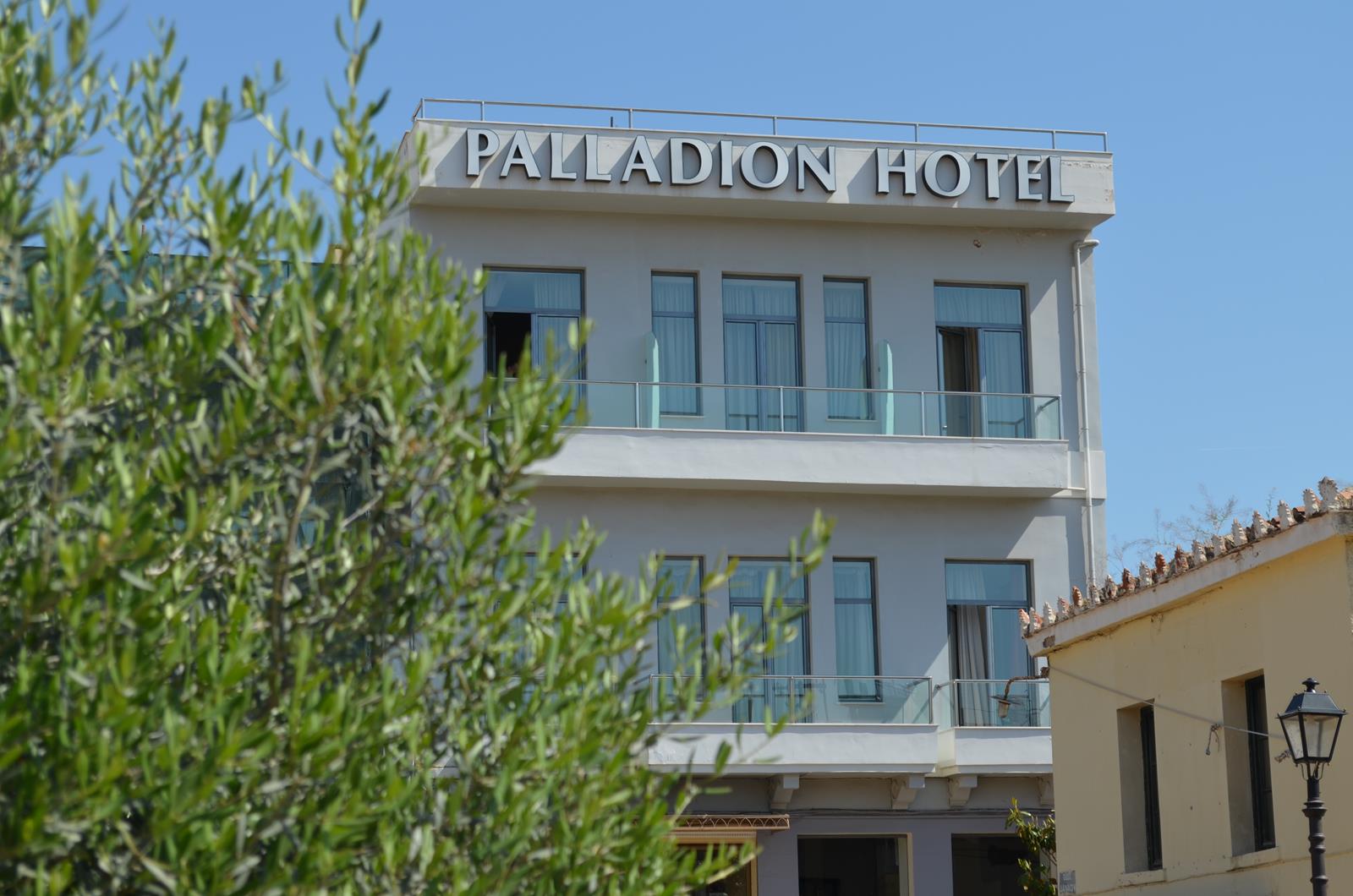
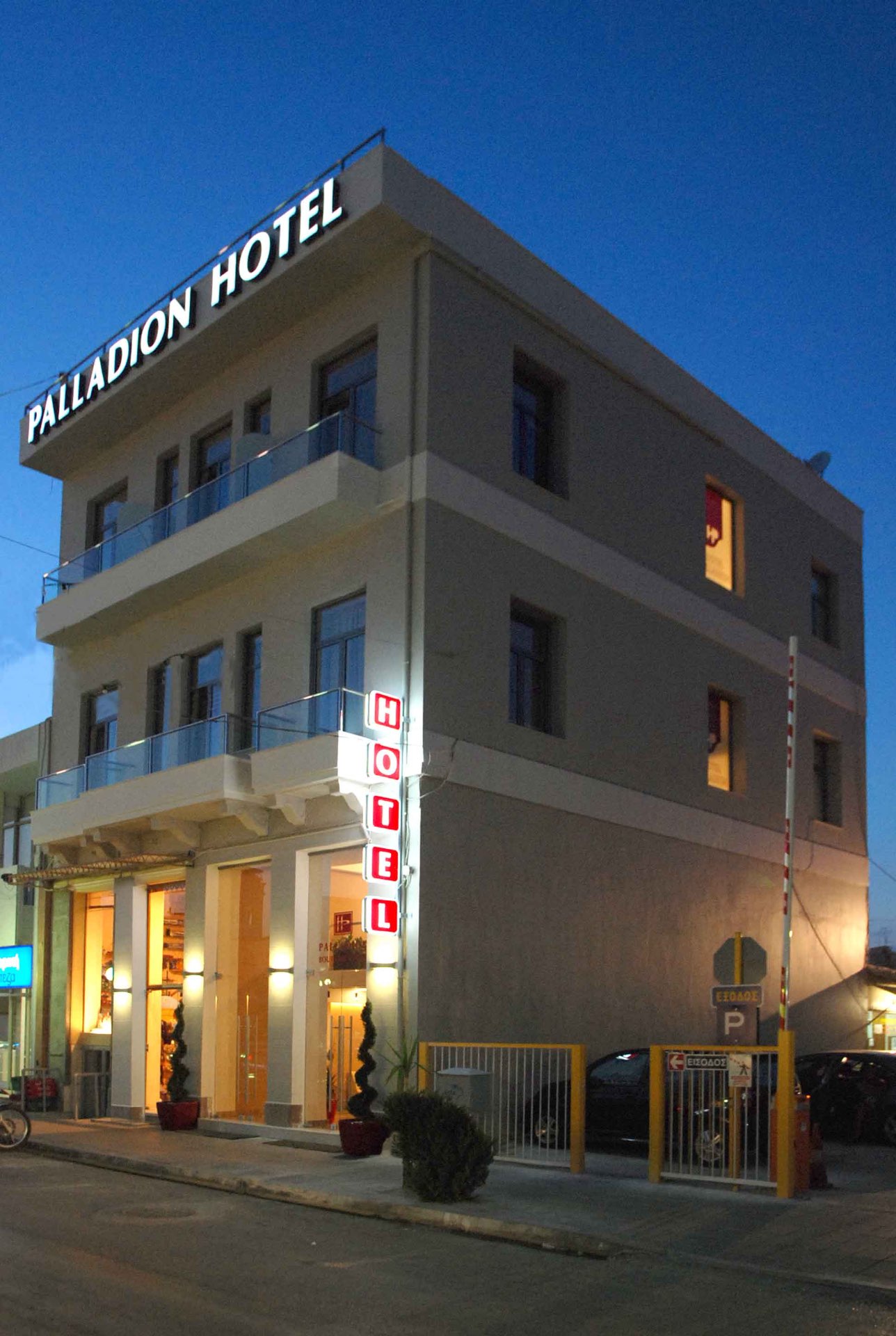
Palladion is a family-run, ten-room base in the heart of Argos - forty minutes from Epidaurus. The perfect way to combine archaeology, the sea and the Festival without rushing.