01Highlight
360° panoramic view
From the ramparts you take in Argos, the fertile plain, the Argolic Gulf, Mycenae and, on clear days, the mountains of Arcadia.
At the summit of the Larissa hill, 289 metres above Argos, the Byzantine and Frankish castle offers the finest view of the town, the plain and the Argolic Gulf. A ten minute walk from Palladion.
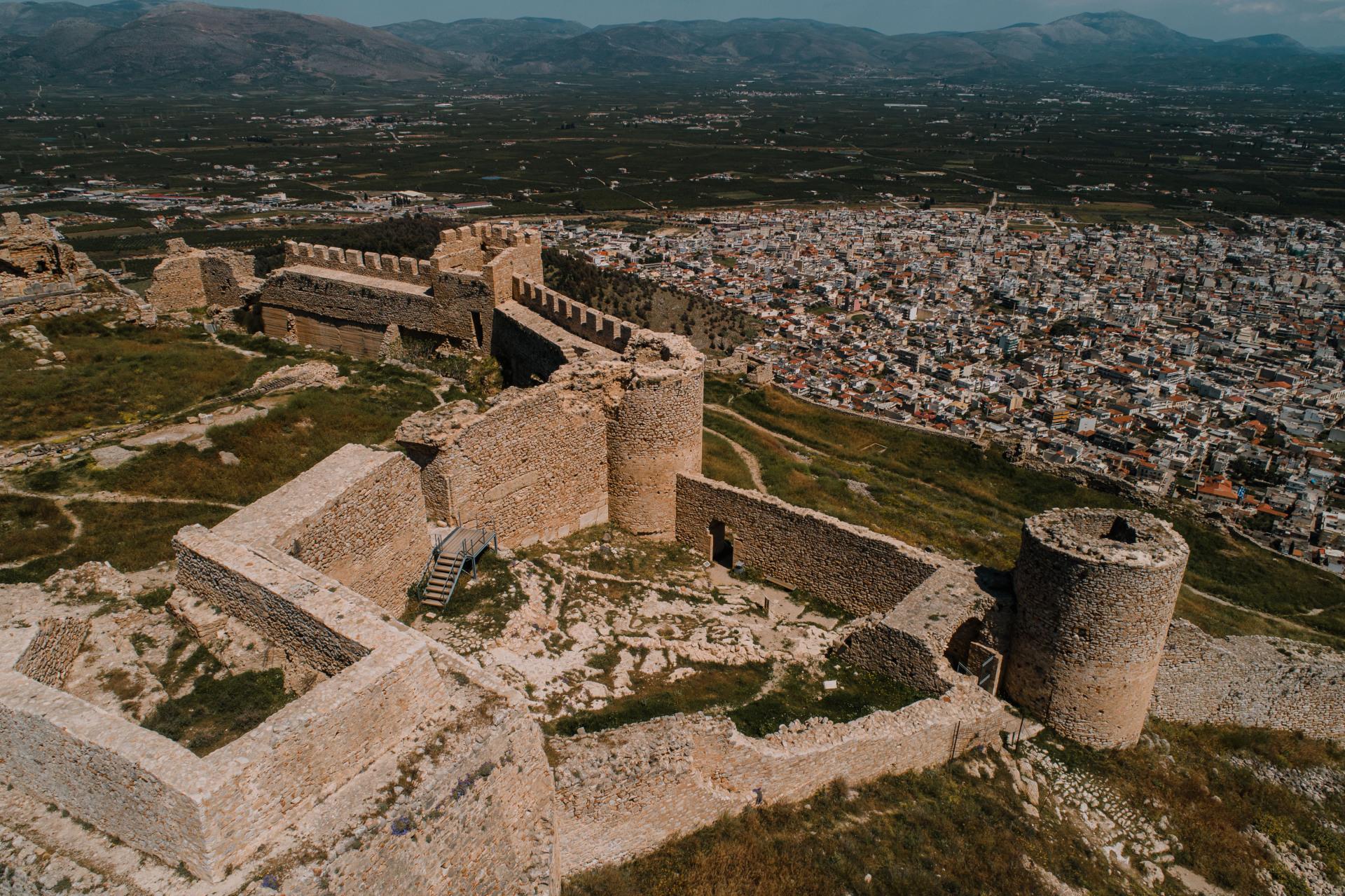
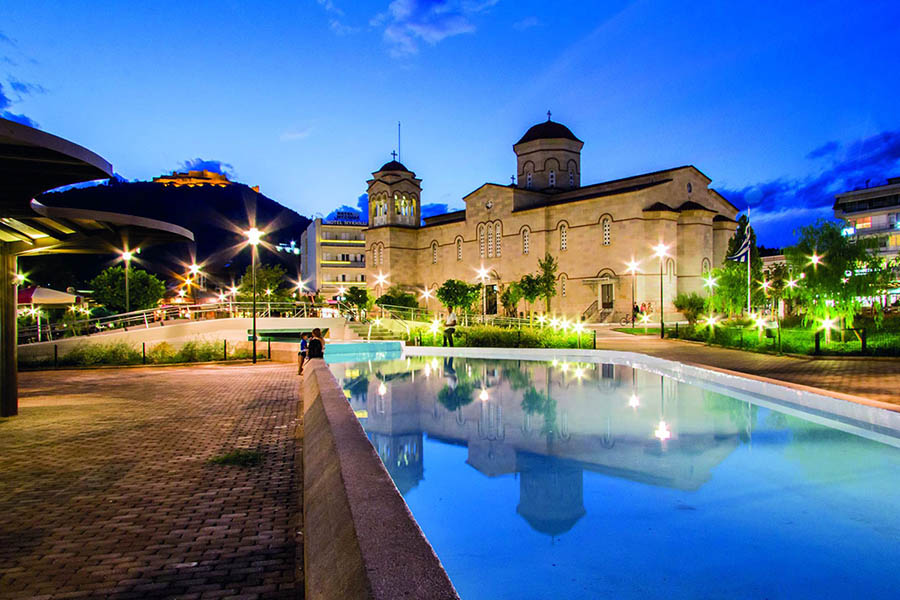
The Larissa hill has been inhabited since antiquity, but the first fortification on the summit dates to the 6th century AD. The Byzantines chose the spot because it commands the Argolic plain, the sea and the roads to Corinth and Arcadia. From here, the city of Argos was visible to every approaching enemy.
After the Frankish conquest of the 13th century, the lords of Argos strengthened the walls and added towers and cisterns. The Venetians, who held the castle from the 14th century, modernised it with artillery and angled loopholes. The layers of different eras are still visible in the masonry.
The castle passed to the Ottomans and remained a military outpost until the 19th century. During the Greek Revolution of 1821 it was used as a watchtower and refuge. Today, despite the collapse of parts of the structure, it remains the most emblematic landmark of Argos.
Although it does not operate as a museum, the castle is open and accessible all year round. Locals climb it for the day, photographers for the sunset, visitors to feel the scale of a city that has nestled at their feet for millennia.
From the Byzantine acropolis to today's viewpoint over Argos.
First fortification on the summit of Larissa hill to control the Argolic plain.
Strengthening of walls and towers during the middle Byzantine period.
The Frankish lords of Argos take the castle and add western defensive towers.
The Venetians modernise the fortress with artillery and angled loopholes.
The castle passes to the Ottomans and is used as a military outpost.
Used as a watchtower and refuge by the fighters of the Greek Revolution.
Free access for walks, photography and views over the Argolic Gulf.
From Byzantine walls and Frankish towers to panoramic views, the ascent path and the theatre below.
From the ramparts you take in Argos, the fertile plain, the Argolic Gulf, Mycenae and, on clear days, the mountains of Arcadia.
The oldest masonry dates to the 6th century AD - huge stones, dry-laid joints and towers following the ridge line.
The 13th-century western towers have rectangular plans and characteristic arrow slits.
Angled openings for artillery added by the Venetians in the 14th – 15th centuries.
The entrance preserves traces of different fortification phases - a history lesson in a few metres.
The trail starts at the Ancient Theatre and climbs through olives and shrubs - a short, steep 10 – 15 minute walk.
From the upper points of the castle the Roman Odeon and Baths are visible, beside the theatre.
The castle is the best spot in Argos to watch the sunset over the plain.
The highest ruins provide the most dramatic backdrop for town and landscape photographs.
A walking plan that starts at Palladion, climbs to the castle for sunset and links the top sights of Argos.
Greek breakfast with local produce - fresh bread, Argolic honey, yoghurt and cheeses.
The starting point of the climb: the 20,000-seat ancient theatre and the agora beside it.
Begin the trail from the theatre - 10 – 15 minutes through olives and shrubs.
Walk the walls, recognise Byzantine, Frankish and Venetian layers, and enjoy the first views.
Ninety minutes for seven thousand years of Argos history - from Neolithic to Roman.
A traditional taverna or a modern bistro in the alleys around Agios Petros Square.
Coffee at the neoclassical cathedral and people-watching in the town's living room.
Return to Larissa for the golden hour - the view from the walls justifies a second climb.
* Access conditions may change - ask Palladion reception for the most up-to-date way to climb.
The castle sits on the summit of Larissa hill, east of Argos historic centre. The most pleasant approach is the path that starts at the Ancient Theatre - ten minutes on foot from Palladion.
Follow Theatre Street west of Agios Petros Square and climb the trail that begins beside the Ancient Theatre. Our reception provides a walking map and recommends the best time for sunset.
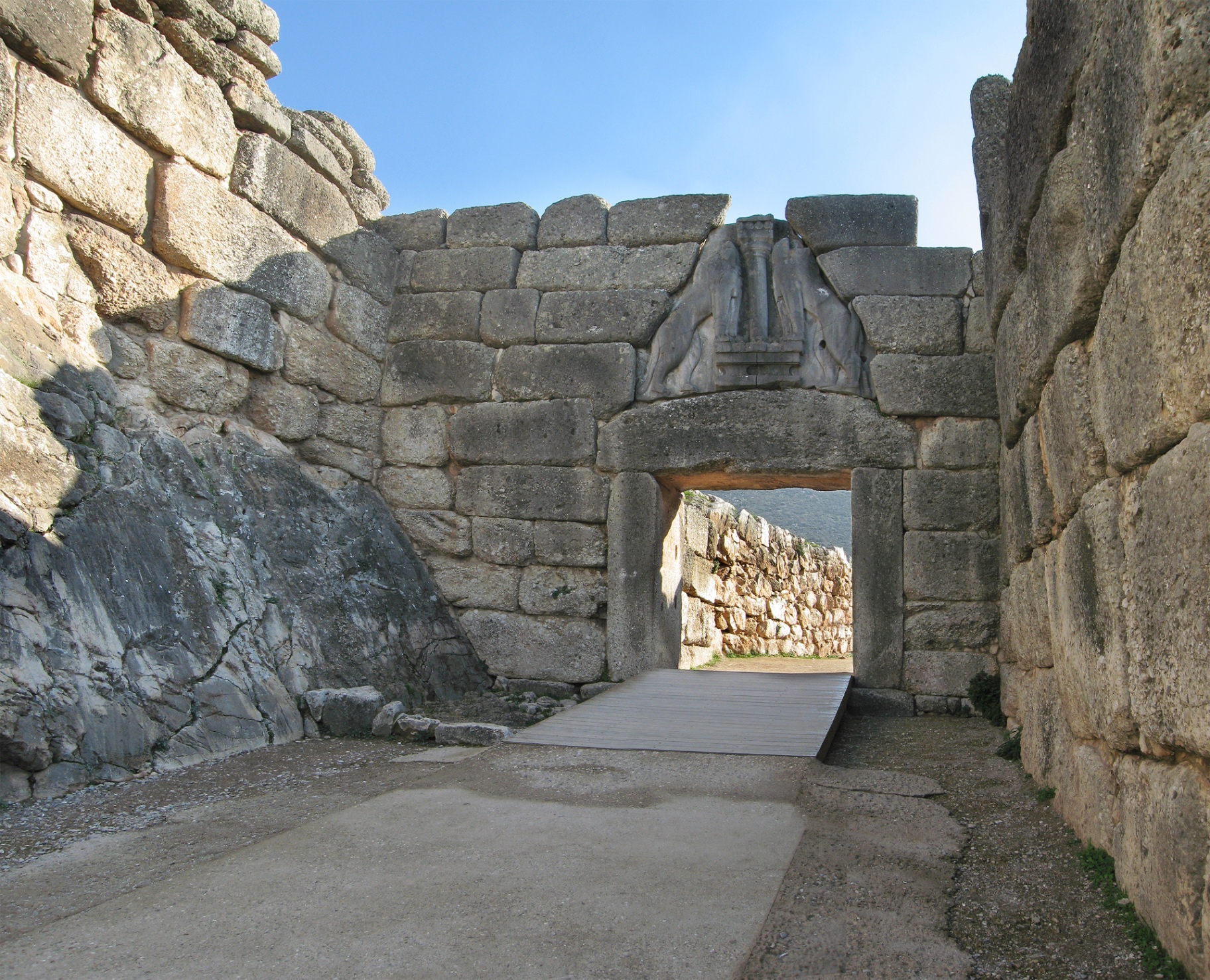
Από την κεντρική πλατεία του Άργους στην Πύλη των Λεόντων σε λιγότερο από 20 λεπτά - ένα πρόγραμμα ημέρας που συνδυάζει ιστορία, τοπίο και τοπική γεύση.
Read article →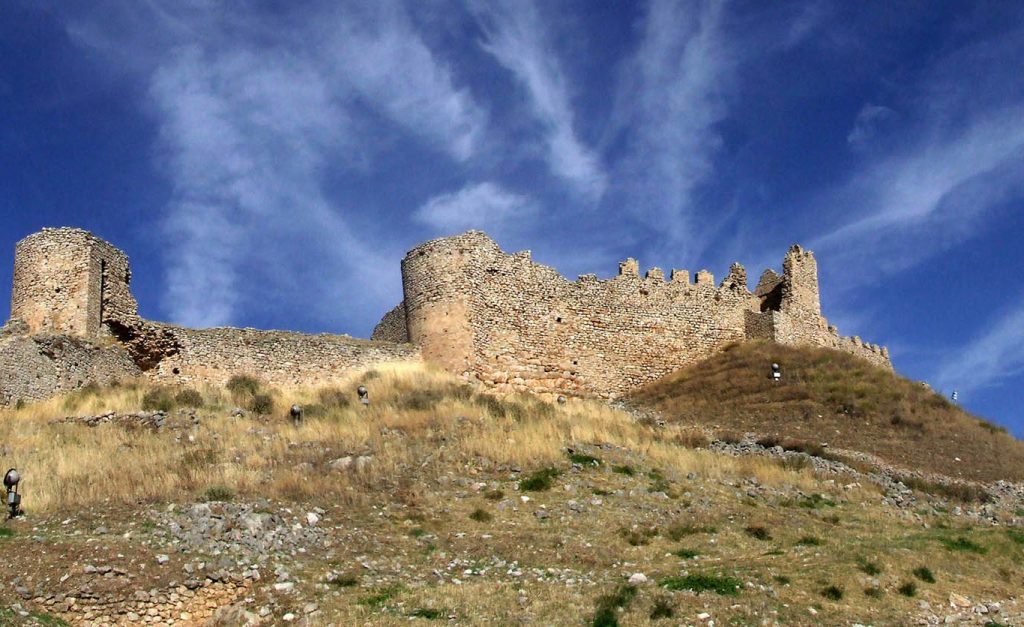
Παραλίες σε 15 λεπτά, μουσεία που κρατούν το ενδιαφέρον των παιδιών, εκδρομές μισής ημέρας και μια ήσυχη πόλη-βάση για όλη την οικογένεια.
Read article →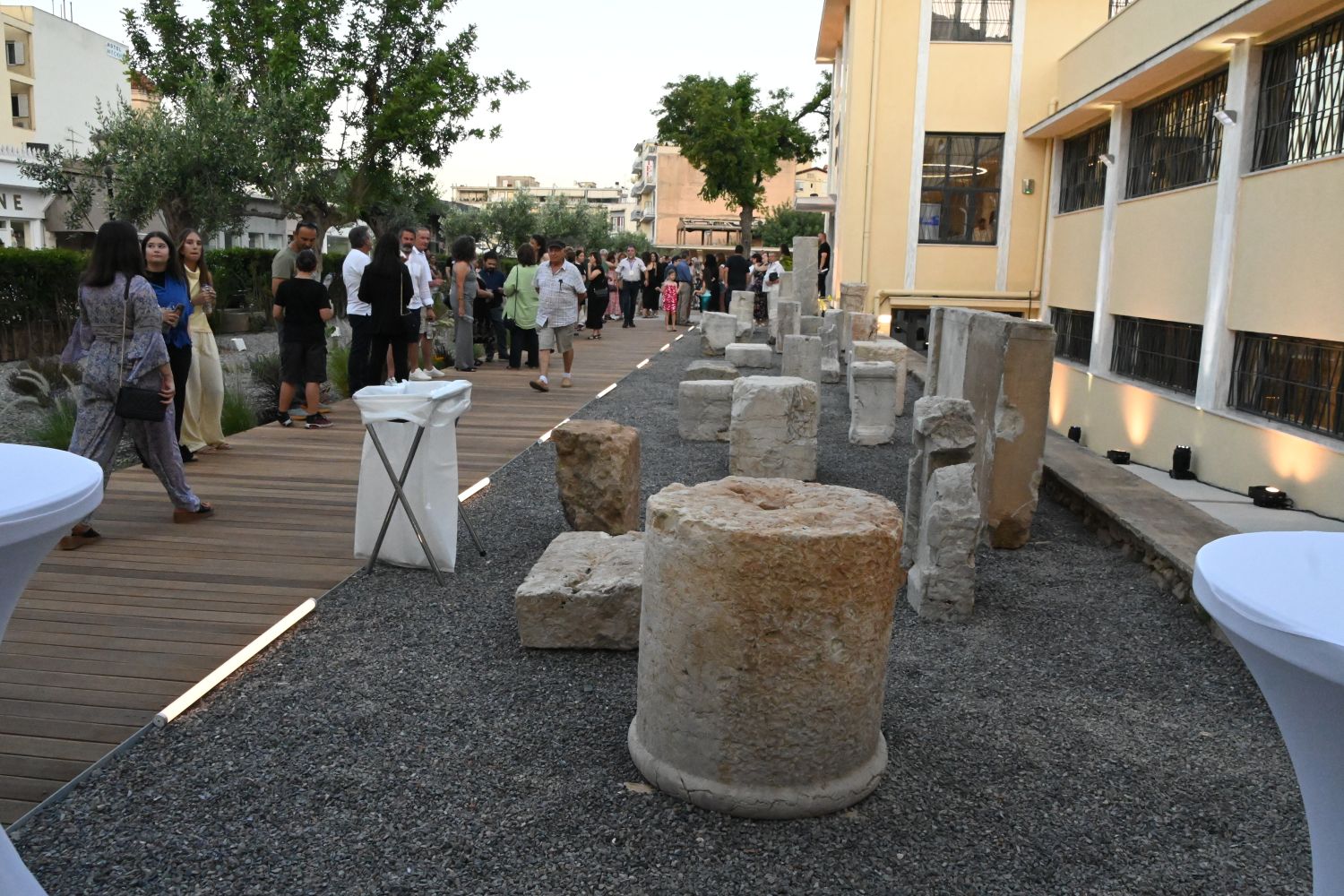
Το Άργος απέκτησε έναν νέο πολιτιστικό προορισμό που παρουσιάζει χιλιάδες χρόνια ιστορίας μέσα από μια σύγχρονη μουσειακή εμπειρία.
Read article →
Επτά χιλιάδες χρόνια ιστορίας, μια πραγματική πόλη που ζει, και όλη η Αργολίδα σε ακτίνα 30 λεπτών.
Read article →Palladion is right in the centre of Argos, a ten minute walk from Larissa Castle. Ten rooms, a family-run boutique hotel - the perfect base from which to explore Argolida.