01Highlight
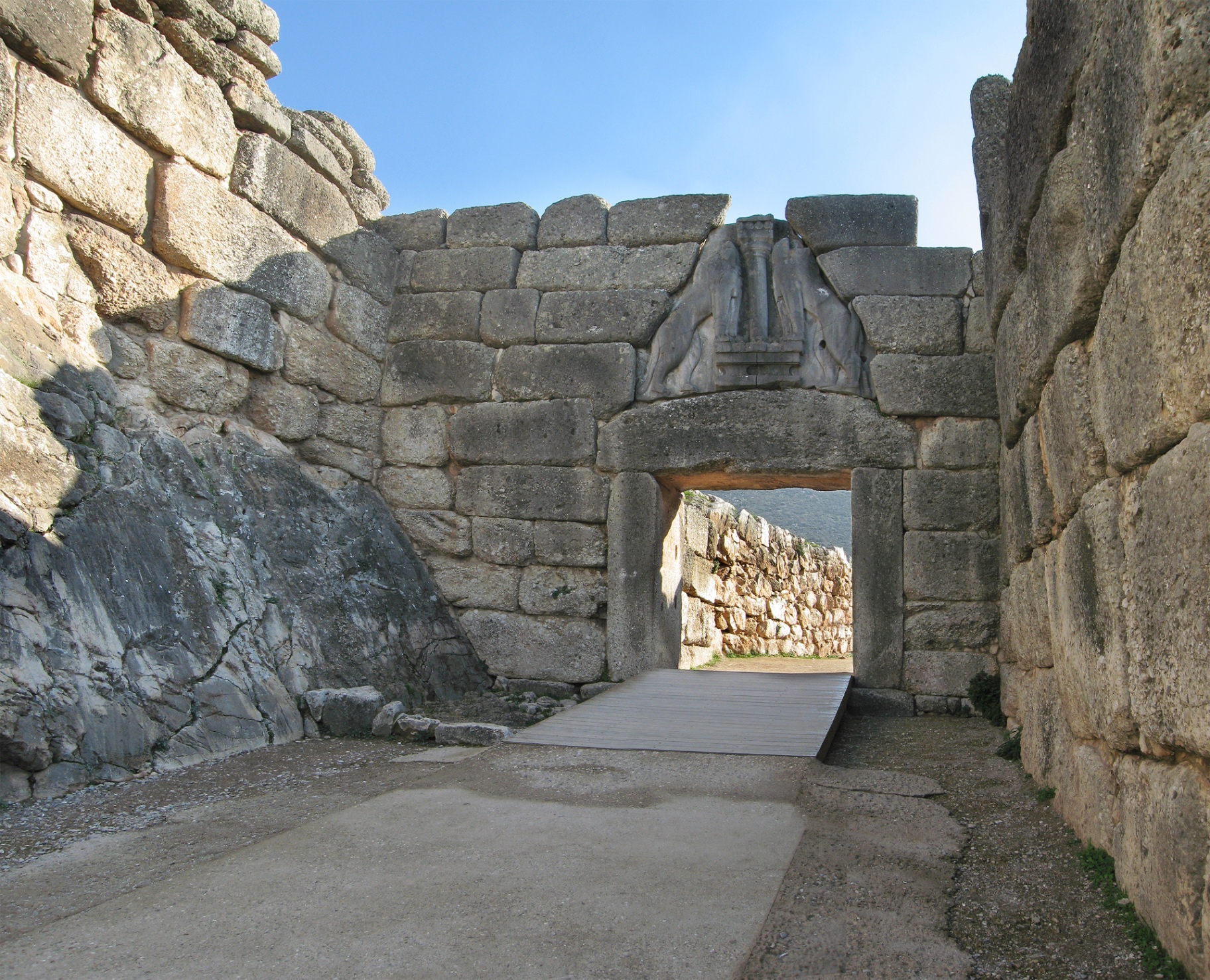
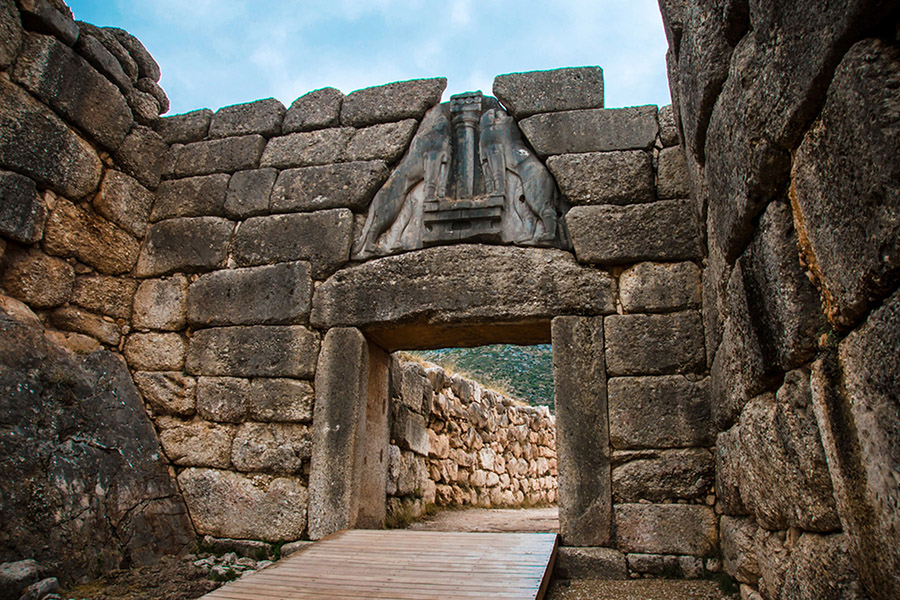
Lion Gate
The monumental entrance to the citadel, c. 1250 BC. Two lionesses flank a central column - the oldest surviving monumental sculpture in Europe.
A complete visitor's guide to the citadel that gave its name to an entire civilisation - a UNESCO World Heritage site, just 11 kilometres from Palladion.
Mycenae was the most powerful centre of mainland Greece during the Late Bronze Age (c. 1600–1100 BC). The civilisation that took its name from this hill spread its influence across the Peloponnese, Crete, Cyprus, the coast of Asia Minor and southern Italy, laying the foundations of the Greek language, religion and art.
In Homeric tradition, Mycenae is the city of Agamemnon, commander of the Achaean host in the Trojan War. Herodotus and Pausanias write of the 'gold-rich' city. In 1876 Heinrich Schliemann unearthed the golden funerary mask of Grave Circle A and was convinced he had 'looked upon the face of Agamemnon'.
Nothing on the Greek mainland compares in scale or antiquity. The Cyclopean walls - up to eight metres thick - are built from boulders so vast that the ancients believed only the Cyclopes could have raised them. The Lion Gate is the oldest monumental sculpture in Europe, and the tholos of Atreus held the record for the largest dome in the world for over 1,400 years, until the Pantheon was built in Rome.
From the earliest settlements on the hill to inscription on the UNESCO list.
The first settlement rises on the hill, at the crossroads of the Argolic plain.
The royal shaft graves and their golden offerings mark the emergence of the Mycenaean dynasty.
Construction of the Cyclopean walls, the Lion Gate and the great tholos tombs. Linear B tablets record the palace administration.
The palace is destroyed and gradually abandoned. The memory of the city passes into myth.
In 468 BC the Argives raze what remains; in the 2nd c. AD Pausanias describes the ruins.
Heinrich Schliemann uncovers the royal shaft graves and the golden 'Mask of Agamemnon'.
Mycenae and Tiryns are inscribed on the World Heritage list.
From the Lion Gate to the underground cistern - the essentials of the citadel and museum.
The monumental entrance to the citadel, c. 1250 BC. Two lionesses flank a central column - the oldest surviving monumental sculpture in Europe.
A tholos 14.5 m in diameter and 13.5 m high, built around 1250 BC. It remained the largest dome in the world for 1,400 years.
The royal shaft graves where Schliemann uncovered the golden death mask and the treasures of the 'gold-rich' city.
Fortifications 5–8 m thick, built of boulders up to 12 tonnes. Named for the mythical Cyclopes.
At the summit, the throne and megaron of the wanax, commanding sweeping views over the Argolic plain to the sea.
A concealed passage of 99 steps descending to a hidden water source - engineered for survival under siege.
Gold funerary offerings, weapons, seal stones and a replica of the legendary Mask of Agamemnon (the original is in the National Museum, Athens).
A second remarkable tholos tomb, a short walk from the main archaeological site.
World Heritage site together with Tiryns - the best preserved evidence of the Mycenaean civilisation.
A nine-hour plan from Palladion and back - designed to avoid both the heat and the crowds.
Greek breakfast with local produce - fresh bread, Argolic honey, yoghurt, eggs and cheeses.
A fifteen-minute drive through the Argolic plain, between olive groves and orange orchards.
Enter the site. Start at the Lion Gate and the Cyclopean walls, then climb up to the palace.
Thirty minutes in the museum - the gold offerings bring context to what you just walked through.
A short walk from the main site - save it for last, it feels most impressive after the citadel.
Choose a taverna overlooking the Nemean vineyards, or a long lunch in the alleys of Argos.
Time to rest, read on the terrace, or take a slow walk to Aghios Petros Square.
* Prices and opening hours may change - please confirm on the official Hellenic Ministry of Culture site before your visit.
Mycenae lies just eleven kilometres from Palladion. A fifteen-minute drive across the Argolic plain - a morning excursion into Homeric Greece.
Head north from Argos on the road to Fichtia. Our reception is happy to arrange a taxi or recommend a car hire.
Από την κεντρική πλατεία του Άργους στην Πύλη των Λεόντων σε λιγότερο από 20 λεπτά - ένα πρόγραμμα ημέρας που συνδυάζει ιστορία, τοπίο και τοπική γεύση.
Read article →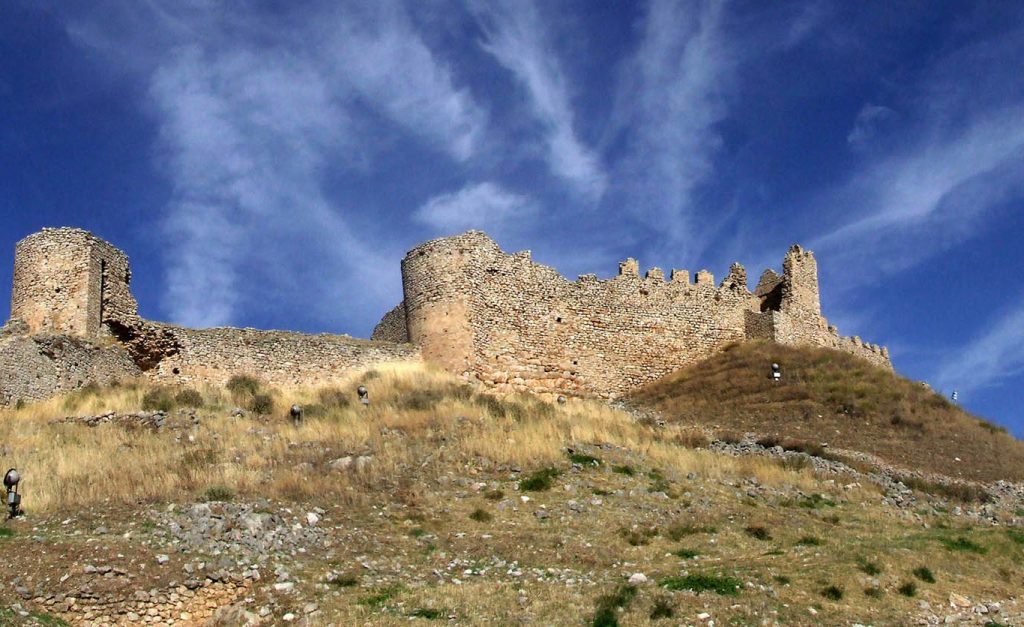
Παραλίες σε 15 λεπτά, μουσεία που κρατούν το ενδιαφέρον των παιδιών, εκδρομές μισής ημέρας και μια ήσυχη πόλη-βάση για όλη την οικογένεια.
Read article →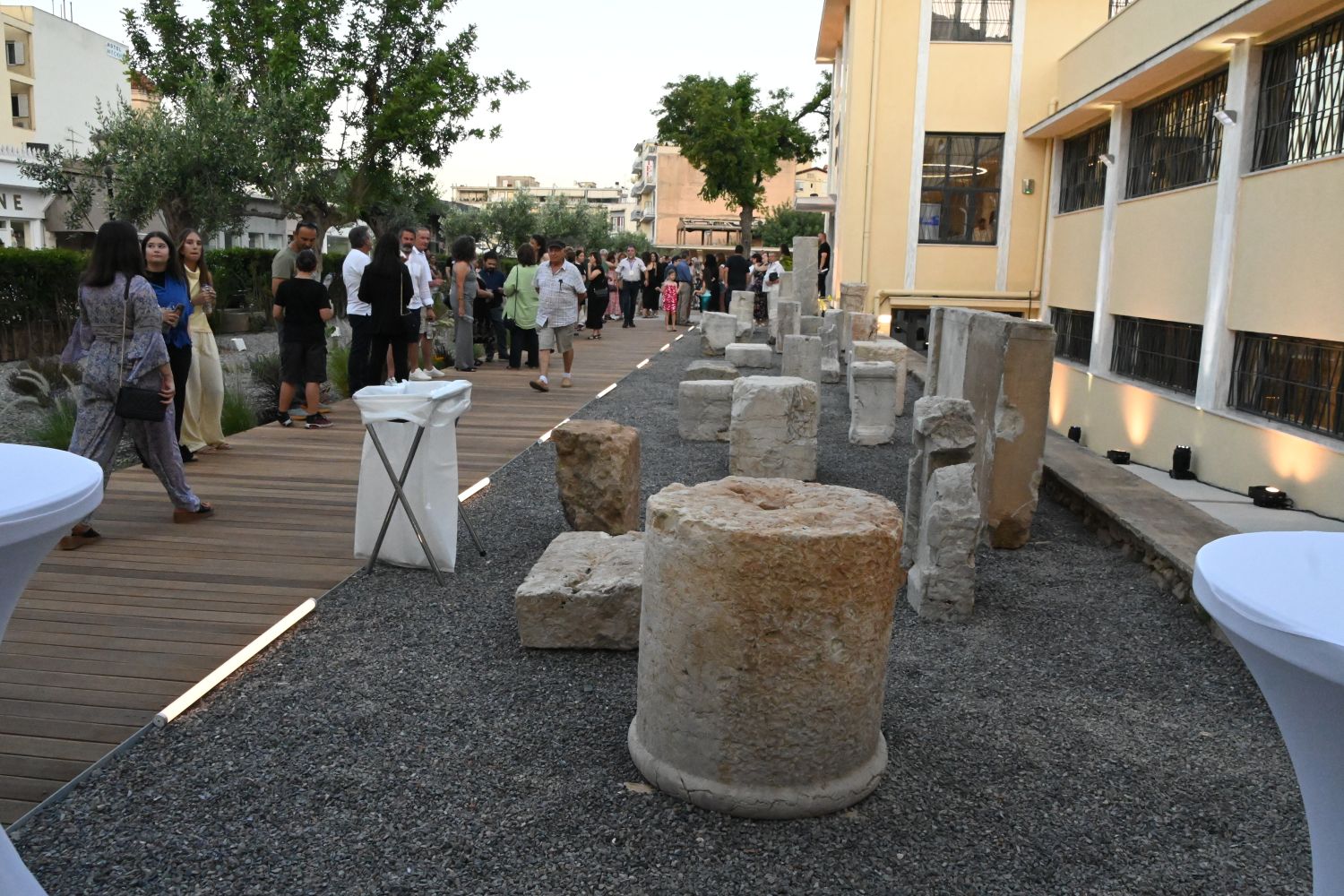
Το Άργος απέκτησε έναν νέο πολιτιστικό προορισμό που παρουσιάζει χιλιάδες χρόνια ιστορίας μέσα από μια σύγχρονη μουσειακή εμπειρία.
Read article →
Επτά χιλιάδες χρόνια ιστορίας, μια πραγματική πόλη που ζει, και όλη η Αργολίδα σε ακτίνα 30 λεπτών.
Read article →Palladion sits in the heart of Argos - 15 minutes from Mycenae, 20 from Epidaurus, 12 from Nafplio. A boutique hideaway from which to explore Argolida without rushing.